

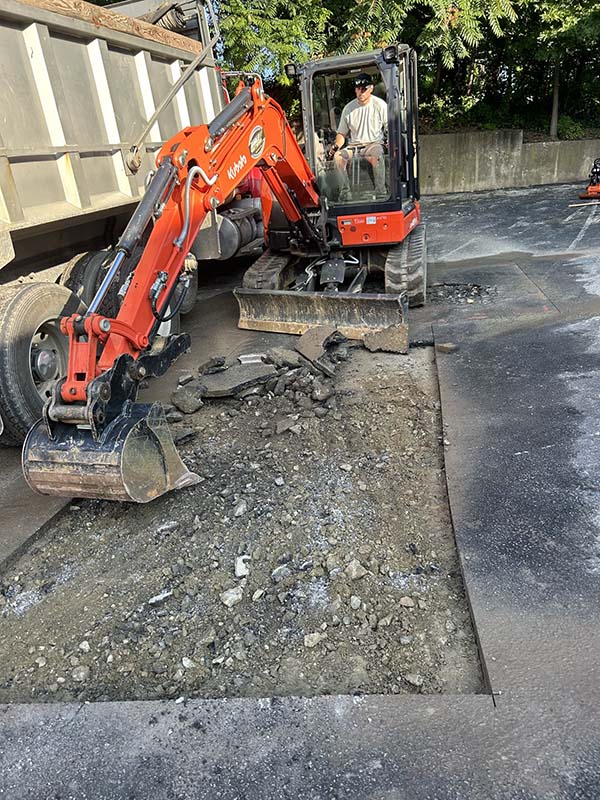
 Asphalt repairs look simple on the surface, but in a dense city like Philadelphia, they rarely are. Between aging pavements, heavy delivery traffic, freeze-thaw cycles, and local permitting realities, planning matters just as much as the repair itself.
If you manage a commercial property along Broad Street, in South Philly, or near an industrial corridor like I-95, the right prep can prevent downtime, failed patches, and surprise costs.
Below, we break down what truly affects asphalt repair projects in the Philadelphia area and how to prepare for professional work that holds up.
Key Takeaways
- Asphalt repair planning in Philadelphia depends on pavement age, traffic load, drainage, and local access constraints.
- Freeze-thaw cycles and heavy urban use make early evaluation critical before surface damage worsens.
- Choosing the right repair method prevents short-term fixes that fail under commercial traffic.
- Clear coordination and phased planning reduce downtime and compliance issues for active properties.
Key Factors That Affect Asphalt Repair Scope, Timing, and Preparation
Before any equipment arrives on site, several variables determine how large the repair becomes, how long it takes, and how smoothly it runs.
Pavement Age and Construction History
Many commercial lots in Philadelphia were paved decades ago and have been patched multiple times.
Older asphalt, especially over shallow or inconsistent stone bases common in legacy industrial areas, often hides deeper structural issues.
Knowing when the lot was last milled or overlaid helps determine whether repairs are surface-level or if base work is likely required, which directly affects scope and scheduling.
Traffic Load and Daily Use
A retail plaza near Roosevelt Boulevard sees very different stress than a small office lot in Chestnut Hill.
Delivery trucks, trash haulers, and SEPTA-adjacent traffic zones accelerate asphalt fatigue. Heavier loads mean cracks spread faster, and patches need more reinforcement, often requiring thicker lifts or staged repairs to keep operations running.
Philadelphia Climate and Seasonal Conditions
Philadelphia’s freeze-thaw cycles are a major driver of asphalt failure.
Water enters cracks, freezes, expands, and breaks the pavement apart from below. Spring often reveals widespread damage that was not visible in the fall.
Timing repairs outside prolonged rain periods and before extreme summer heat helps ensure proper compaction and curing.
Drainage and Site Grading Issues
Standing water is one of the most common causes of premature asphalt failure in Center City alleys and older warehouse districts.
Poor slope, clogged inlets, or settlement near curb lines can undermine repairs if not addressed.
Evaluating drainage before work starts prevents patching over a problem that will resurface within months.
Permitting, Access, and Local Constraints
In Philadelphia, work near public sidewalks, curb cuts, or streets often involves the Streets Department or coordination with property management and tenants.
Limited access in tight urban lots, shared drive aisles, or loading docks affects equipment choice and sequencing.
These factors influence prep time and how repairs are phased to stay compliant and operational.
How to Evaluate Repair Options and Prepare for Professional Asphalt Work
Once the site conditions are understood, the next step is choosing the right repair approach and preparing your property for efficient execution.
Distinguish Between Surface and Structural Repairs
Not all asphalt damage is equal.
Surface issues like minor cracking or raveling may be addressed with infrared repairs or localized patching.
Structural failures, common in high-load areas like dumpster pads, require full-depth removal and base reconstruction.
Knowing the difference prevents overspending on temporary fixes or underestimating long-term needs.
Plan for Phased Repairs and Site Logistics
Many Philadelphia commercial properties cannot shut down completely.
Phasing repairs by section allows tenants, customers, or fleet vehicles to continue operating.
Planning traffic flow, temporary striping, and after-hours work is especially important in retail centers and medical office lots with strict access requirements.
Understand Cost Drivers and Budget Ranges
Asphalt repair costs in the Philadelphia market vary based on square footage, depth of repair, base condition, and access.
As a general estimate, small commercial patching projects may range from a few thousand dollars, while extensive structural repairs can reach five figures.
Labor availability, material pricing, and seasonal demand all influence final numbers.
Coordinate Inspections and Compliance
Commercial sites must consider ADA compliance, striping visibility, and safe transitions at sidewalks and entrances.
Repairs that affect slopes or walkways may require re-striping or minor concrete adjustments.
Preparing for these details upfront avoids failed inspections or tenant complaints after the asphalt work is complete.
Prepare the Property and Stakeholders
Clear communication is part of preparation. Notifying tenants, scheduling deliveries around work windows, and securing parked vehicles reduces delays.
In busy Philadelphia corridors, coordinating with neighboring properties or shared lots can also prevent access conflicts on repair day.
Schedule a Site Walkthrough Before Asphalt Work Begins
Unplanned asphalt repairs often cost more and disrupt operations longer than expected. By evaluating pavement conditions, access constraints, and repair options upfront, we help Philadelphia property managers and facility teams make informed decisions before work starts.
At Blackstone Paving & Excavating, LLC, we perform on-site evaluations, outline realistic scopes, and plan repairs that align with your budget and operational needs. Contact us to schedule a walkthrough and start your asphalt repair project with clarity and control.
Frequently Asked Questions
How do we know if our lot needs patching or full-depth repair?
Surface cracking and shallow potholes often indicate localized repairs, while recurring failures in the same areas usually point to base issues. During an evaluation, core depth, deflection, and drainage patterns are reviewed to determine the correct approach.
What is the typical timeline for commercial asphalt repairs in Philadelphia?
Smaller repairs may be completed in one to two days, while larger or phased projects can take a week or more. Scheduling also depends on weather windows and coordination with tenants or city access requirements.
Do asphalt repairs require permits in Philadelphia?
Work entirely on private property typically does not require permits, but repairs near sidewalks, curb cuts, or streets may involve the Philadelphia Streets Department. These requirements are reviewed during project planning.
How soon can traffic return after repairs are completed?
Most commercial asphalt repairs allow light traffic within 24 hours, with full loading after proper curing. Timelines vary based on temperature, mix design, and repair depth, which are factored into the project plan.

