

Property owners across Philadelphia often feel unsure about what drives the plan behind a major paving job. Lots in places like Port Richmond or East Oak Lane run into the same problems: hidden base issues, drainage surprises, or permits that slow things down.
Every strong asphalt project begins with nine core evaluations that guide cost, timing, and long-term durability. Once you understand those factors, your next steps become clearer, which brings us to how we assess them.
Key Takeaways
- Site reviews reveal the conditions that shape project depth and scope.
- Traffic and drainage details guide durability and long-term value.
- Permits and access requirements affect scheduling in Philadelphia.
- Clear goals and budget choices help match materials and repairs to your needs.
1. Site Conditions and Surface History
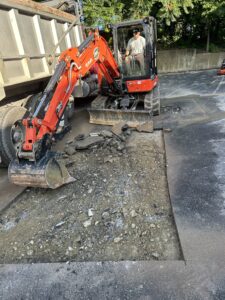
A site’s condition tells us how the pavement will respond once work begins. We study soil type, previous overlays, and surface age because older lots in neighborhoods like Tacony often have multiple layers that affect milling depth.
Surface history also reveals hidden patches that may mask voids or weak areas.
This helps us plan safe demolition and match our base work to the property’s real condition. Clear site information lets us design a stable foundation that holds up to local weather.
2. Traffic Loads and Usage Patterns
Traffic loads determine how thick your asphalt must be.
Commercial lots near Hunting Park Avenue handle constant delivery trucks, which require stronger structural layers. We map entry points, turning zones, and where vehicles sit idling. These spots need reinforced support to prevent early rutting.
Matching pavement strength to real traffic patterns protects your investment from early wear.
3. Drainage and Water Flow
Water movement dictates long-term durability.
We check slope, inlet locations, and how the property drains after heavy rain common near the Delaware River corridor. Standing water shortens pavement life and speeds cracking. Sometimes we adjust the grade or create new paths for runoff to keep surfaces dry.
Strong drainage planning is one of the most effective ways to prevent early repairs.
4. Local Regulations and Permit Requirements
Philadelphia has clear rules on excavation, traffic staging, and sidewalk impacts.
Lots near schools, such as Central High, often require added safety measures. Some newer commercial developments around Somerton include access and staging rules that affect how we plan equipment movement and traffic control.
We review each requirement and integrate the timeline into the project plan.
Early permit planning prevents costly scheduling delays.
5. Subbase Stability and Required Repairs
The subbase provides the strength for everything above it.
We test areas for heaving, soft spots, and past utility cuts, especially in older blocks around Kensington, where soil movement is common. A weakened subbase leads to premature cracking. We check depth and material type to choose the right repair level.
Strong subbase work creates long-term stability.
6. Material Selection and Mix Design
Material choice affects how asphalt handles Philadelphia’s freeze-thaw cycles. Some industrial sites near Allegheny Avenue need polymer-modified mixes for extra strength under heat and heavy use.
Mix selection also depends on how quickly the surface must reopen to traffic. We lean on guidance supported by the Pennsylvania Department of Transportation to match each blend to performance needs.
Good material planning prevents early surface failures.
7. Weather and Seasonal Timing
Seasonal timing shapes compaction, curing, and workability.
Philadelphia summers give us longer windows for smooth compaction, while spring or late fall requires tighter scheduling. Sudden rain can weaken bonding between layers, so we track forecast patterns closely. Humid days around Center City slow cooling, which adjusts how soon vehicles can return.
Smart timing improves long-term results.
8. Equipment and Crew Logistics
Equipment layout affects safety and efficiency. Properties near narrow streets like those around Fishtown often need phased work with compact machinery.
We map truck paths to keep material hot enough for proper compaction and to reduce disruption for nearby homes or businesses. Efficient logistics keep the surface consistent and help us finish on time.
Good planning protects both crews and property access.
9. Budget, Scope, and Long-Term Value
Budget alignment guides the entire project.
Local pricing in Philadelphia often reflects access limits, mix type, and base conditions, and large commercial lots near University City sometimes need added traffic control.
We compare resurfacing options with deeper asphalt repairs to show how each choice affects lifespan. This helps owners invest in long-term performance instead of short-term fixes.
Clear scope planning keeps the project predictable.
How These Project Factors Mean For Your Next Steps
How To Prepare for Your Site Evaluation
A site evaluation gives you early clarity on timing and scope.
You can gather old repair records, note drainage trouble spots, and highlight any recent utility work, which helps us understand the property faster. If your lot near Logan Square has repeated puddling, point it out during the walkthrough so we can focus grading checks there.
These details help us produce accurate recommendations. Strong preparation reduces surprises later.
How To Plan for Traffic and Usage Needs
Traffic planning helps you protect your investment.
Think about who uses the lot, how often they arrive, and where they park or turn. A small retail center near South Street may see short but frequent customer traffic, while a warehouse near Bridesburg deals with heavy trucks.
Sharing these patterns lets us design a pavement structure that matches your daily needs. Clear usage information supports cost-effective planning.
How To Address Drainage Before Pricing
Drainage issues are easier to fix before pricing is finalized.
Walk the property after a rainstorm and take note of where water gathers. Lots near Cobbs Creek often show pooling because of natural grade changes. When you bring this information to us early, we can offer options for pitch adjustments or inlet placement.
Early drainage clarity prevents mid-project changes.
How Permits Should Shape Your Timeline
Permit requirements should guide your scheduling choices.
If your project sits along a busy corridor like Broad Street, traffic control steps may need added lead time. You can review upcoming events, tenant schedules, or deliveries to avoid conflict. Understanding local rules helps you choose the right start date.
Planning keeps operations running smoothly.
How To Decide on Needed Base Work
Base decisions help you balance cost and longevity.
If your property in Roxborough has pavement sections that flex under load or show long cracks, those signs suggest deeper issues.
You can flag these spots for us so that testing focuses where it matters most. This lets us present clear options, from targeted repair to full-depth rebuild.
Making informed, base choices helps you avoid frequent resurfacing.
How Material Options Guide Performance Goals
Material decisions should match how you expect the lot to perform.
A commercial property in Point Breeze may want a mix designed for steady customer traffic rather than heavy truck activity. You can consider how long you plan to own the property and how soon you want the surface ready for daily use.
Sharing these goals helps us match mix strength to your plans.
Good material choices support future pavement maintenance needs.
How Seasonal Timing Affects Scheduling Windows
Seasonal timing affects when your project will finish and how soon traffic can return.
Property owners near Old City often schedule work in summer for predictable compaction, while spring jobs may require flexible dates to avoid cold snaps. You can look at your busiest months and choose a quieter window.
Picking the right season helps the surface form a stronger bond.
How Access Planning Limits Disruption
Access planning makes the project easier for tenants, customers, and staff.
Lots near Northern Liberties may need staged closures so delivery vehicles can keep moving. You can share your peak hours, customer traffic, or loading needs. This helps us set a work sequence that fits your operations.
Smooth access planning reduces stress during construction.
How To Set a Budget That Matches Long-Term Plans
Budgeting works best when tied to long-term use.
A property owner in Fairmount with plans for high turnover parking may choose thicker layers, while a smaller private lot might opt for resurfacing. You can define your priority between upfront savings and a long lifespan. This clarity helps us shape a plan that supports your goals.
Budget alignment keeps expectations clear.
Build Confidence In Your Paving Plan
A major asphalt project feels easier when you know what drives each decision. These nine factors show how we shape the plan and what steps you can take to prepare.
At Blackstone Paving & Excavating, LLC, we guide you through each choice so your project stays predictable from the first walkthrough to the final finish. Reach out today to schedule an assessment or request a detailed quote this week.
Frequently Asked Questions
How should I prepare my Philadelphia property for a paving estimate?
Our team benefits when owners share recent repair history, drainage trouble spots, and any utility work, and we combine that information with core checks and slope readings to build a clear project plan.
How long will my lot be unusable during the paving process?
Crews often reopen areas within one to two days in warm weather, and we phase work in tighter areas like Northern Liberties to keep some access available throughout the project.
Do I need to handle Philadelphia permits myself?
Our process includes gathering required documents and coordinating with city offices for traffic control and excavation guidelines so your project stays compliant without unnecessary delays.
How do I know which asphalt mix is right for my property?
We match mix design to your traffic patterns, expected lifespan, and seasonal timing, using Pennsylvania Department of Transportation guidance to ensure strong performance in local conditions.

